
Get Ductwork Replacement
Ductwork replacement services help property owners fix damaged or outdated air duct systems, improving indoor air quality and HVAC efficiency through professional installation or upgrades.
Property owners considering ductwork replacement often seek reliable solutions to improve indoor air quality, energy efficiency, and overall comfort. As ducts age or become damaged, they can lead to increased utility costs and uneven heating or cooling throughout a property. Exploring local contractors who specialize in ductwork replacement can help ensure the work is performed effectively and tailored to the specific needs of the building.
By comparing options from nearby service providers, property owners can find experienced professionals capable of planning and executing ductwork upgrades that support long-term performance. Continuing to explore these local options provides valuable insights into available services, helping to make informed decisions about essential system improvements.
- Old or damaged ductwork - when existing ducts show signs of wear, leaks, or inefficiency.
- Upgrading HVAC systems - during system replacements to ensure optimal airflow and performance.
- Poor indoor air quality - when duct contamination or blockages impact air cleanliness.
- Inconsistent heating or cooling - if uneven temperatures suggest ductwork issues needing replacement.
- Home renovations or additions - to accommodate new layouts and improve duct system performance.
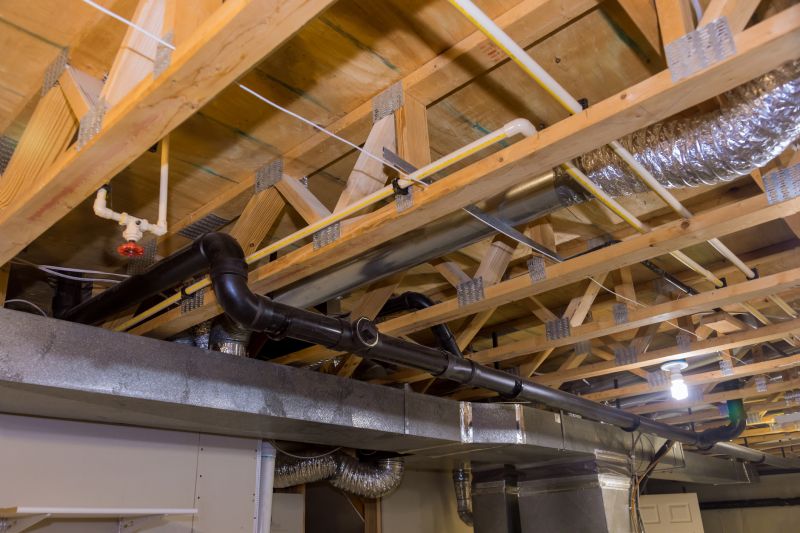
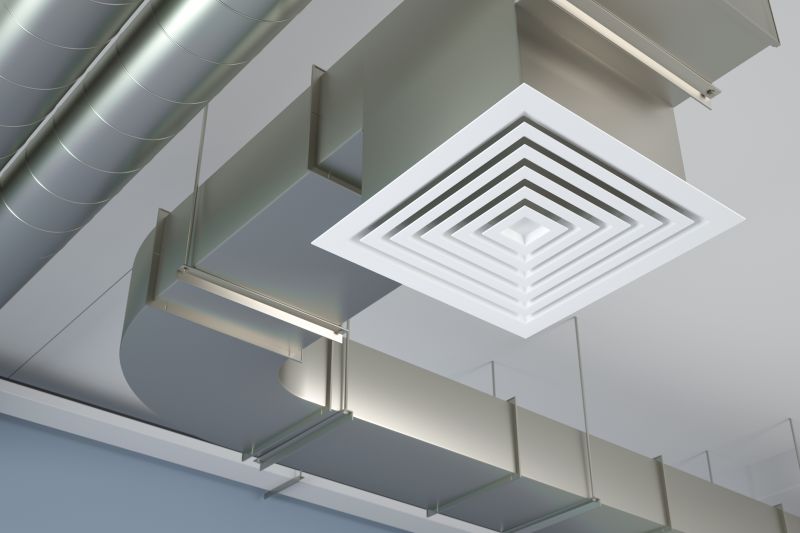
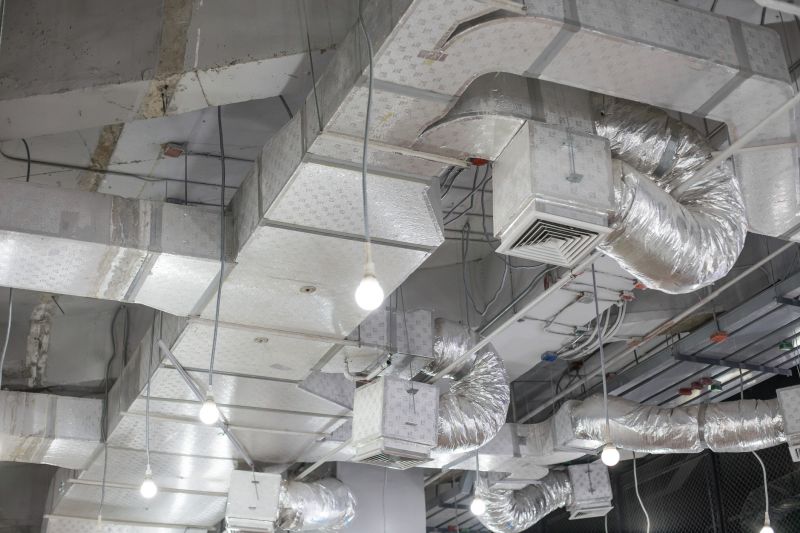
Ductwork replacement involves removing outdated, damaged, or inefficient air ducts and installing new systems to ensure proper airflow throughout a property. This service typically includes inspecting the existing duct network, removing old or compromised sections, and installing new ducts that are properly sealed and insulated. Properly functioning ductwork is essential for maintaining consistent indoor temperatures, improving air quality, and enhancing overall HVAC performance. Local contractors specializing in ductwork replacement can help identify whether your current system needs an upgrade or repair to meet your comfort and efficiency goals.
Many common problems can signal the need for ductwork replacement. These include visible damage such as tears, holes, or rust, which can cause air leaks and reduce system efficiency. Signs like uneven heating or cooling, excessive dust, or increased energy bills may also point to duct issues. Over time, ducts can become clogged with debris or develop leaks that compromise airflow and indoor air quality. Replacing outdated or damaged duct systems can resolve these issues, leading to more reliable climate control and lower energy costs for homeowners.
Ductwork replacement services are frequently used in residential properties, including single-family homes, townhouses, and multi-unit buildings. Older homes with original duct systems often benefit from upgrades to improve energy efficiency and indoor comfort. Newer homes may also require replacement if the existing ducts are not performing well or were improperly installed. Property owners experiencing airflow problems, inconsistent temperatures, or noticing increased dust and allergens should consider consulting local service providers to evaluate whether duct replacement is a suitable solution.
Choosing to replace ductwork is a practical step for homeowners facing persistent HVAC issues or planning a home renovation. When ducts are damaged, poorly sealed, or inefficient, they can significantly impact comfort and energy use. Local contractors who specialize in ductwork replacement can assess the condition of existing systems, recommend appropriate solutions, and ensure the new ducts are installed correctly. This service helps create a more comfortable living environment, reduces energy waste, and can contribute to healthier indoor air quality.
The overview below groups typical Ductwork Replacement projects into broad ranges so you can see how smaller, mid-sized, and larger jobs often compare in your area.
In many markets, a large share of routine jobs stays in the lower and middle ranges, while only a smaller percentage of projects moves into the highest bands when the work is more complex or site conditions are harder than average.
Smaller Repairs - typical costs for minor ductwork repairs or sealing range from $250-$600. Many routine fixes fall within this middle range, though prices can vary based on the extent of the work.
Partial Duct Replacement - replacing sections of ductwork generally costs between $1,000 and $3,000. Larger, more complex projects tend to push costs toward the higher end of this range, but most projects stay in the middle tiers.
Full Duct System Replacement - complete replacement of an entire duct system often falls between $3,500 and $7,000. Larger, more intricate installations can exceed this range, though many jobs are priced within the mid-range.
High-End or Complex Projects - extensive or customized ductwork replacements can reach $8,000 or more. These projects are less common and typically involve complex layouts or additional services, but local contractors can provide precise estimates based on specific needs.
Actual totals will depend on details like access to the work area, the scope of the project, and the materials selected, so use these as general starting points rather than exact figures.
Air Duct Cleaning - professionals who specialize in cleaning and maintaining duct systems often use similar tools and planning skills as those involved in ductwork replacement projects.
HVAC System Installation - installing or upgrading heating, ventilation, and air conditioning systems requires expertise in duct layouts and airflow planning similar to ductwork replacement.
Ventilation System Upgrades - upgrading or installing new ventilation systems involves assessing existing duct networks and designing efficient airflow paths, akin to ductwork replacement.
Indoor Air Quality Improvements - projects focused on enhancing indoor air quality often require duct modifications or replacements to optimize airflow and filtration.
Duct Sealing and Insulation - sealing and insulating ductwork to improve efficiency involves skills in duct system planning and execution comparable to replacement services.
Commercial Ductwork Installation - large-scale duct installation for commercial spaces demands detailed planning and use of similar tools as residential ductwork replacement projects.
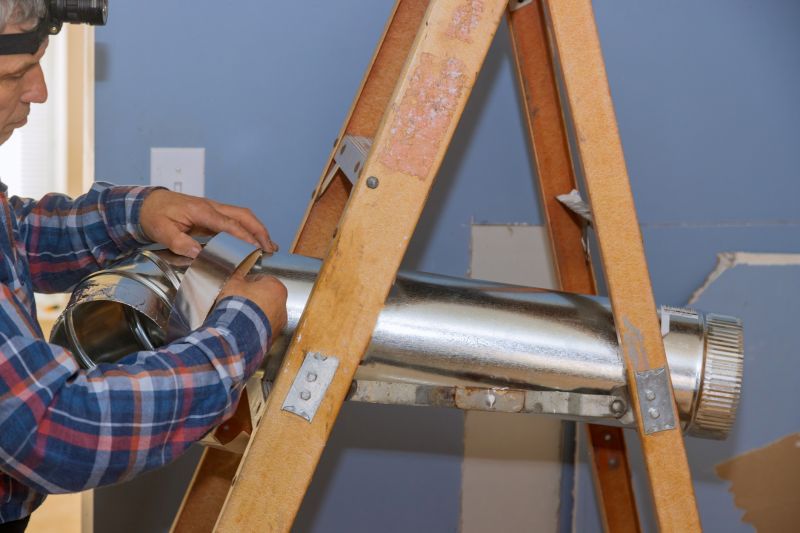
When evaluating contractors for ductwork replacement, it’s important to consider their experience with similar projects. Homeowners should look for service providers who have a history of handling ductwork replacements comparable in scope and complexity to the job at hand. Asking about past work or seeking references can provide insight into their familiarity with the process and their ability to deliver quality results. An experienced contractor is more likely to understand the nuances of different duct systems and can offer solutions tailored to specific home layouts and needs.
Clear, written expectations are essential to ensure everyone is aligned on the scope of work. Homeowners should seek service providers who can provide detailed proposals or estimates that outline the work to be done, materials to be used, and any other relevant details. Having these expectations documented helps prevent misunderstandings and ensures that both parties agree on what the project entails. It’s also advisable to confirm that the contractor’s communication style matches the homeowner’s preferences, making it easier to address questions or concerns throughout the process.
Reputable references and strong communication are key indicators of trustworthy service providers. Homeowners can ask local contractors for references from previous clients who had similar ductwork projects completed. Contacting these references can reveal insights into the contractor’s reliability, workmanship, and professionalism. Additionally, good communication-such as prompt responses to inquiries and clarity in explanations-can make the entire experience smoother. While this site introduces homeowners to local pros capable of performing ductwork replacement, it does not perform the work itself; selecting a qualified, communicative, and experienced contractor will help ensure a successful project.
Property owners use Ductwork Replacement services for practical projects around their homes and businesses. This guide focuses on everyday jobs and straightforward project options.
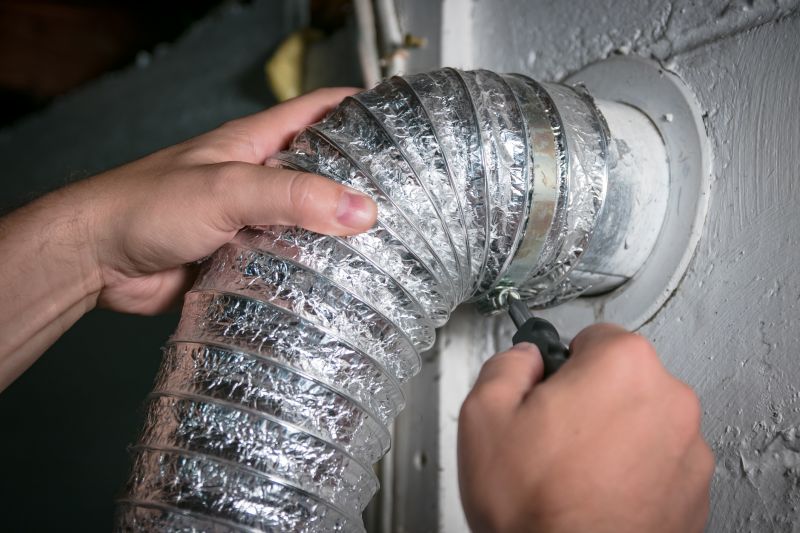
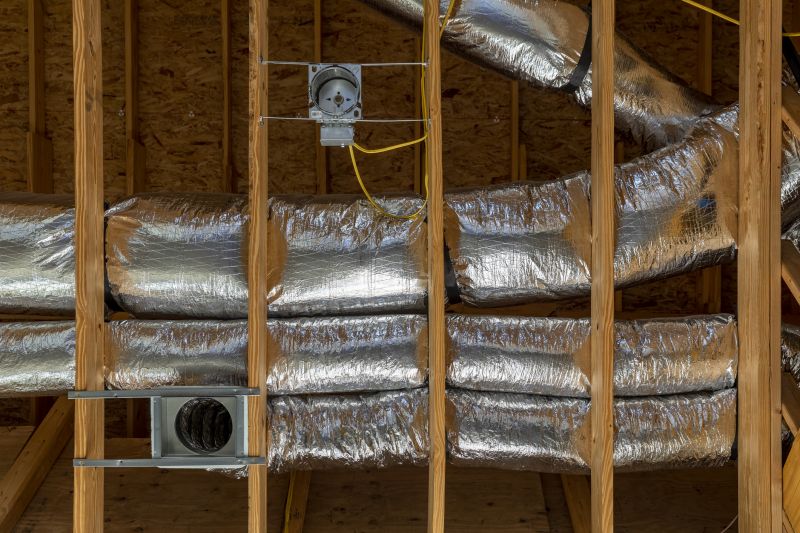
Ductwork replacement services are often needed when property owners notice uneven heating or cooling throughout their space, increased energy bills, or persistent indoor air quality issues. Over time, ducts can become damaged, leaky, or clogged, reducing system efficiency and comfort. Local contractors who specialize in ductwork replacement can assess the condition of existing ducts and recommend appropriate solutions to improve airflow and indoor environment quality.
In many cases, property owners seek ductwork replacement during major renovations or after discovering mold, pest infestations, or corrosion within their duct systems. Aging or improperly installed ducts can also contribute to noise problems or uneven temperature distribution. Service providers in the area are equipped to handle these situations, offering professional replacement options to help restore optimal system performance and indoor comfort.
When should ductwork be replaced instead of repaired? Ductwork should be considered for replacement if it is extensively damaged, has significant leaks, or shows signs of severe corrosion that cannot be effectively repaired.
What are the signs indicating that ductwork replacement might be needed? Common signs include inconsistent heating or cooling, visible damage or mold, and increased energy bills due to inefficient airflow.
How do local contractors typically handle ductwork replacement projects? They assess the existing system, remove outdated or damaged ducts, and install new ductwork to ensure proper airflow and efficiency.
Can replacing ductwork improve indoor air quality? Yes, replacing old or damaged ducts can reduce dust, mold, and allergens, contributing to better indoor air quality.
What types of duct materials are available for replacement? Common options include flexible ducts, sheet metal ducts, and fiberglass-lined ducts, each suited to different needs and preferences.
Upgrade Ductwork for Better Air Quality - Replacing old or damaged ductwork can improve indoor air quality and reduce allergens in a home.
Improve HVAC Efficiency - Installing new duct systems helps ensure even heating and cooling throughout the property, enhancing comfort.
Address Noise and Vibration Issues - Replacing ductwork can minimize noise and vibrations caused by outdated or loose ducts.
Prepare for Seasonal Changes - Upgrading duct systems supports more effective climate control during temperature fluctuations.
If you are thinking about Ductwork Replacement for a property, this guide is meant to help you understand the work, the typical project types, and how different options might fit your plans.
When you are ready, you can use the quote form on this page to share a few details about your project. From there, local pros can review the basics and respond with options that match what you have in mind.